Scooter Braun Reflects on Taylor Swift Feud: "I Don't Know Her," He Says
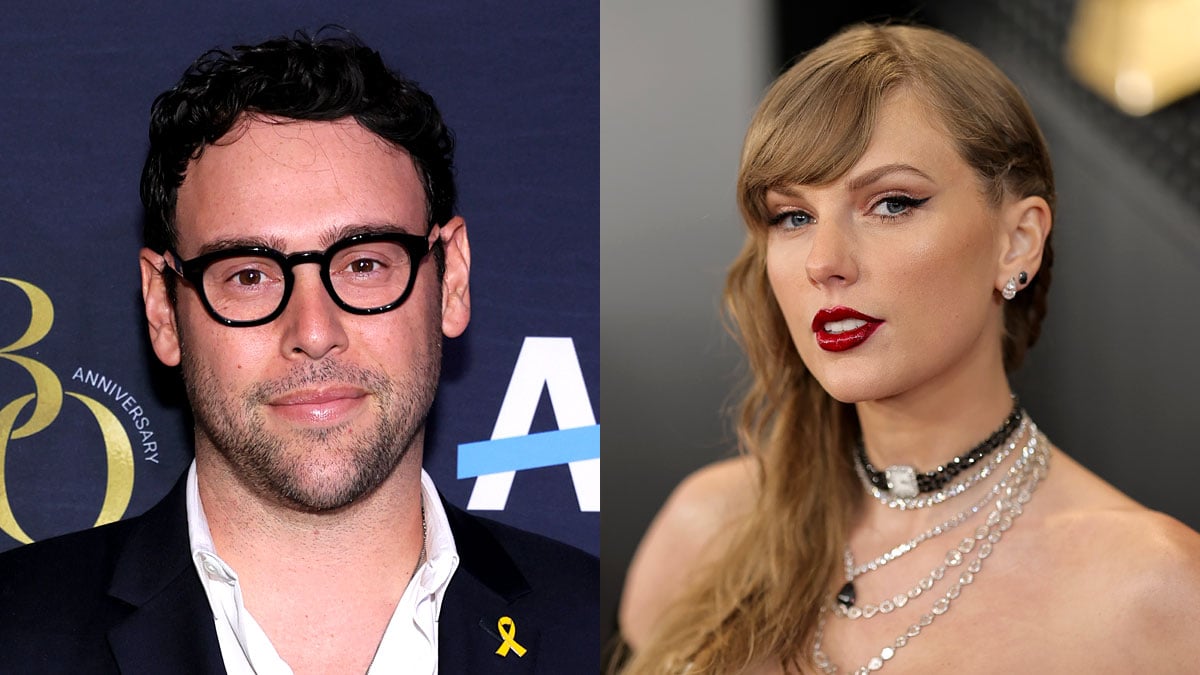
Scooter Braun is breaking his silence on one of music's biggest controversies—his $300 million purchase of Big Machine Records, which gave him ownership of Taylor Swift's master recordings from her first six albums.
The music manager appeared on the Second Thought podcast with host Suzy Weiss to discuss the highly publicized feud and the misconceptions surrounding it. According to Braun, one of the biggest myths is that the two knew each other well or had worked together extensively.
"I don't know Taylor Swift," Braun stated bluntly. "I think I've met her in my life three times. I have never had a substantial conversation with her in my life." He recalled being invited to a private party by Swift years earlier, where they exchanged pleasantries about respecting one another's work.
Braun emphasized that acquiring the label made business sense precisely because of Swift's presence on it. "You don't spend $300 million buying a label that she's on unless you're excited at the opportunity to work with her," he explained.
When pressed about their actual interactions, Braun revealed they had spoken meaningfully only once, for roughly two minutes. Prior to the Big Machine acquisition, he noted there had been no contact between them for two to three years.
Swift publicly objected to the deal, claiming she hadn't been given a fair opportunity to purchase her masters when she departed the label. She subsequently re-recorded four of the six albums and used the revenue from those releases to repurchase the masters from the company that had bought them from Braun.
Reflecting on the fallout, Braun acknowledged the dramatic shift in public perception. "I went from being loved and appreciated for over a decade to literally a villain the next night," he said. Despite his confusion about the situation, Braun emphasized he harbors no ill will. "To this day, I wish her nothing but the best."
The manager noted he's learned valuable lessons from the experience, particularly regarding artist ownership of their work. "Labels make bets on artists, and they own the masters while artists own their publishing," he explained. "What this situation brought to light is that artists are going to start wanting to own their masters, and I think you're seeing artists more and more do that, and I think that's great."
Braun concluded by saying he's chosen to grow from the controversy rather than dwell on it. "I'm grateful for it at this point in my life," he reflected.
Compare options