Scott Pelley Breaks Silence Following 60 Minutes Exit, Calls for Bari Weiss's Departure from CBS News
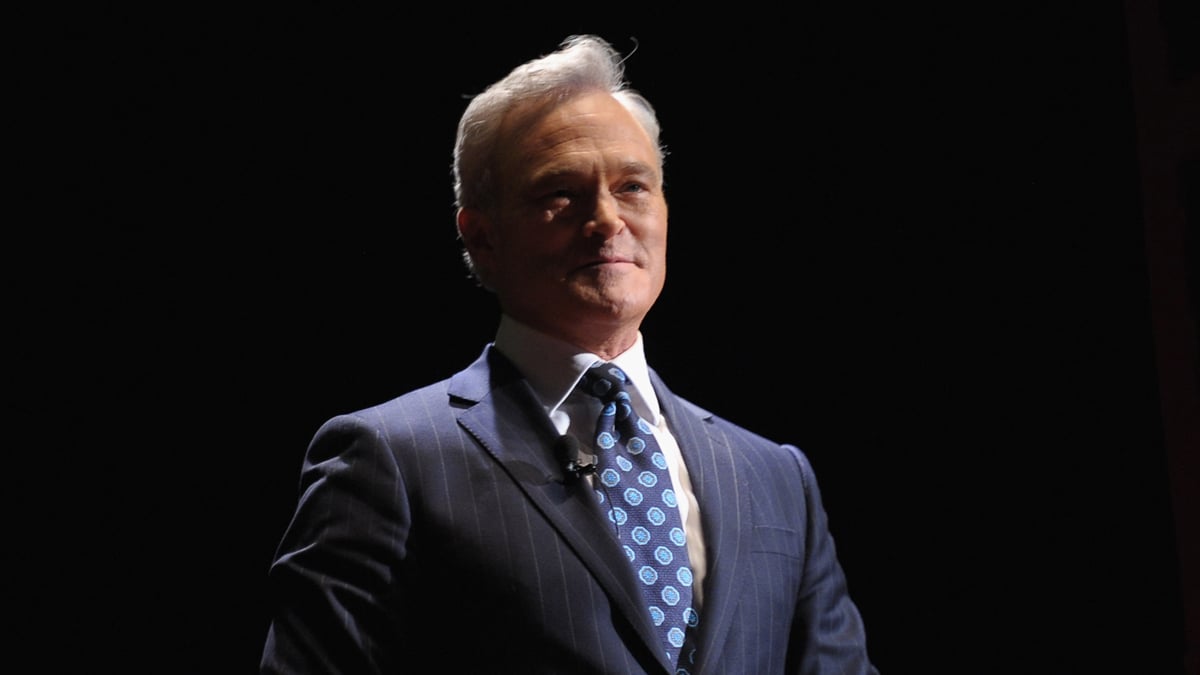
Scott Pelley has opened up about his departure from 60 Minutes in a candid conversation with the New York Times, marking his first major statement since being let go from the program.
The 68-year-old broadcast veteran detailed the turbulent events that preceded his firing, describing a day he characterized as "the Black Thursday massacre" when multiple staff members were terminated. Among those dismissed was executive producer Tanya Simon, who was replaced by tech journalist Nick Bilton.
"Within hours, all of those people have been wiped out, and one-third of our correspondents have been fired," Pelley recounted. "At the same moment, we are informed of our new executive producer. His name is Nick Bilton. I'm sure he must be a wonderful man, but no one had ever heard of him. He has zero experience in television news and no experience in management."
Pelley explained that upon learning of the upheaval, he canceled a planned vacation to the Canadian Rockies with his wife to attend a staff meeting scheduled for the following Monday, viewing the situation as critical for the program's future.
At that meeting, Pelley witnessed what he described as a jarring moment. With roughly 50 staff members present, Bilton stepped to the front of the room and read a statement directly from his phone—a gesture Pelley found particularly insensitive given the circumstances.
"The callousness, the tone deafness of that, you could hear the groan in the room," Pelley said. He also noted that management had provided bagels, adding to what he perceived as the disconnect between leadership and staff concerns.
Pelley's account grew more contentious when he described a subsequent meeting with CBS News president Tom Cibrowski, who, according to Pelley, made an accusation of physical abuse.
"This is a lie. I didn't come within 10 feet of Nick Bilton. In my life, I have never put my hands on anyone in anger," Pelley stated firmly. He said that when confronted with the falsehood, Cibrowski backed down. Pelley was then told he would receive an answer "in a few minutes," but instead waited four hours before being notified via email of his termination.
When asked directly about whether Weiss should remain in her position, Pelley was unequivocal in his response. While acknowledging her accomplishments with her Free Press organization, he suggested her background does not translate to television leadership.
"This is like somebody walking up to me and saying, 'There's a 747, there are 400 people on it, we need you to fly it to Paris.' I'm going to decline because I don't have a clue," he said, drawing a parallel to Weiss's appointment.
Pelley expressed concern about the current state of the program, noting that broadcasts are struggling to air on schedule and that some journalists have raised questions about editorial balance.
"We have a broadcast that is among the most important in America. The most successful in the history of all television. It was doing great, so why are we making these changes?" he asked. "We need adult supervision and at the moment we don't have it. We have people who've been installed in these jobs who through no fault of their own have no experience in television. They don't know what they're doing."
He also flagged what he described as a shift in editorial direction. "There's a subtle political bias that I've never seen at 60 Minutes before, or at CBS News before," Pelley said, emphasizing that a return to the program's traditional standards is possible if leadership changes occur.
"We can save this. It's possible to land this plane. But right now, CBS News is on fire," he concluded.
Compare options