Jonathan Bailey Opens Up About His Coming Out Journey and Early Career Concerns
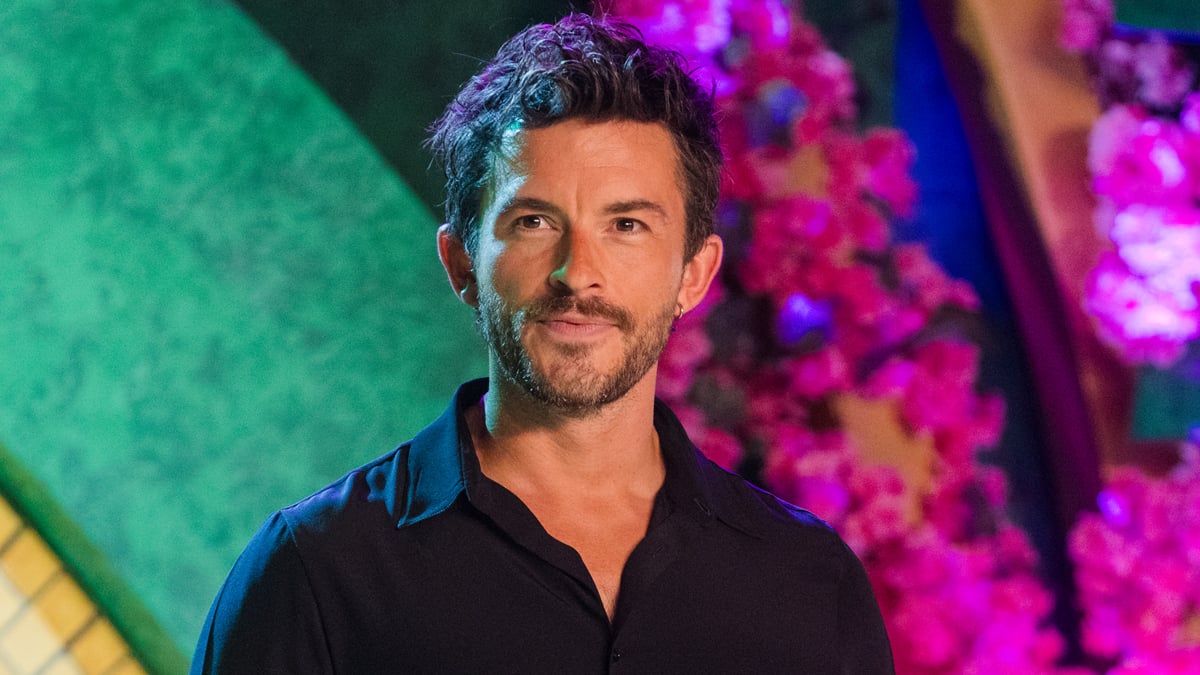
Jonathan Bailey has reflected on his personal journey to living authentically, sharing candid details during a conversation with Elton John.
The 38-year-old Wicked actor was recognized at the first-ever Elton John Impact Awards for his contributions to the LGBTQ+ community. The discussion aired as a podcast series beginning June 1 and was also released as an audio special on iHeartRadio PRIDE stations.
During their exchange, Elton John asked Bailey whether he experienced pressure to conceal his sexuality or harbored fears about publicly identifying as gay.
Bailey emphasized the complexity of his experience. "There's so much nuance to it," he explained, noting that self-awareness came early for him. He described confidence as foundational, though he acknowledged absorbing societal narratives that complicated his path forward.
The actor credited his discovery of performance as transformative. In environments where he felt compelled to carefully monitor his words and behavior around peers, acting offered an escape. "To then get given a script and to actually be able to lean into the right thing to do and to then be truthful in it felt really, really good," Bailey shared.
He was forthright about industry realities he observed during his twenties. "When I was in my early twenties, there was definitely an understanding that, to be gay would be a hindrance," he admitted, referencing the perceived limitations facing openly queer performers in the entertainment business.
Despite these concerns, Bailey prioritized living authentically. "I wasn't gonna not hold my boyfriend's hand in the street, and that was something that I felt so strongly in an animal sense. And of course if that meant that it was gonna impede any potential work, then I was willing to take that risk."
Bailey also recalled the impact of significant film representation. When "Brokeback Mountain" was released during his final years of secondary school, he became so invested in analyzing its portrayal of homosexuality that he attended screenings repeatedly. Though the narratives were difficult, seeing actors bring those stories to life mattered profoundly. "It just shows how bread-crumbed I think we were, at that point," he reflected on the scarcity of such representation at the time.
Compare options